
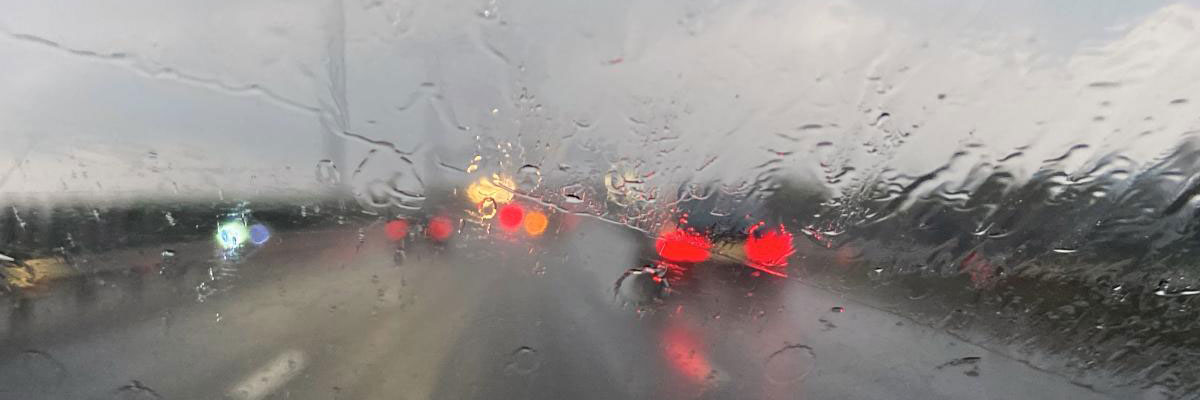
If you’ve ever driven through a whiteout or dense fog you’ve experienced the danger of navigating with low visibility. Autonomous vehicles face the same challenge, especially in places with changing seasons because they were trained to operate in clear weather conditions.
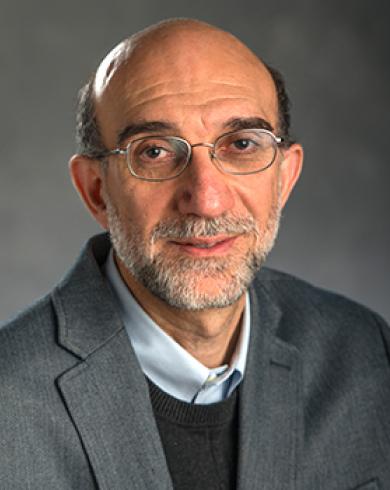
Currently, things like blowing leaves can disrupt the vehicles’ ability to navigate. A team led by Hayder Rahda, MSU Research Foundation Distinguished Professor in the Department of Electrical and Computer Engineering at Michigan State, addressed this shortfall by collecting data on driving conditions over four seasons.
The team captured data in clear, rainy, snowy, and fall weather conditions at varying times of day. Over 100,000 frames of camera, lidar, and radar images included cluttered scenes with large numbers of vehicles and pedestrians in four types of driving environments.
The East Lansing route used for data collection traversed a neighborhood, MSU’s central campus, an industrial area, and the forested streets of Crego Park. The team used a global navigation satellite system to precisely geotag each image.
Capturing virtually every scene in four seasons enables unparalleled object detection analysis resulting in autonomous vehicles better equipped to detect other vehicles, pedestrians, cyclists and obstacles – even when visibility is reduced.
Radha and his team believe the improvement in the accuracy of autonomous vehicles’ perception of their environments will help save lives.
To learn more about Radha’s work, visit:
- The MSU Four Seasons Dataset [Article]
- Hayder Radha Google Scholar page [Website]
- MSU innovations evolve the transportation ecosystem [Article]
MSU College of Engineering Media and Public Relations page